The end of Dry January is the moment participants eagerly wait for. After a month straight of no drinking and avoiding alcohol-charged gatherings, you’ve finally reached the finish line. It comes with relief, satisfaction, and the health benefits you receive as rewards.
But with the end comes a new start. Should you celebrate with a long-missed glass of wine, or should you continue the journey to sobriety?
We’ll help you plan for your decision. This guide gets into what you notice with yourself as January closes, teaching you how you can take a month’s reset and turn it into everyday balance.

Dry January Before and After: Why the Difference Feels So Big
When you’re a regular drinker, you get used to how your body feels with the effects of alcohol. That’s why you’re pleasantly surprised at how your system changes when you stay off booze. Intoxication has been so familiar that you believe it’s normal until you experience what it feels like to be sober again.
Your baseline before Dry January consisted of hangovers, scattered sleep, weight gain, dehydration, foul mood, inflammation, and maybe even some complications like a fatty liver or high blood pressure. When you take a pause on liquor, the contrast is immediate and noticeable.
Richard de Visser’s study reported that out of 7,148 respondents who joined the challenge, 81% felt more in control of their drinking, 86% had saved money, 70% slept better, 66% had higher energy, 67% had better concentration, 54% lost weight, and 65% had generally improved health. The University of Sussex research cited by Forbes complements these results closely, as 71% of their participants slept more soundly and 67% reported more energy after Dry January. They also have clearer skin, steadier moods, and sharper minds.
The End of Dry January: What Most People Notice First
At the end of Dry January, the first few shifts tend to be the most memorable. Your body rebounds fast, even just after a few weeks without alcohol. These are the changes that are hardest to miss when January 31 comes:
Surging Energy Levels
Your liver recovers, and you get more hydrated, so your energy rises. The absence of hangovers alone can renew your vigor since you wake up well-rested and fully recharged. You no longer have to drag yourself through the day because your boosted vitality leads to more active mornings and dynamic afternoons.
Improved Sleep Quality
Alcohol abstinence repairs your REM cycles until rest stops feeling broken. Countless nighttime awakenings may have been your daily struggle before, but now you’re back to nights of deep, uninterrupted sleep. You roll out of bed actually restored, instead of remaining exhausted despite lying unconscious for hours.
Clearer Skin and Less Bloating
Reduced inflammation and better hydration show up on your skin and stomach. You can see your complexion visibly improve with fewer pimples and other blemishes, while your belly deflates from its usual swelling. As the bloating subsides, your reflection mirrors how you actually feel within: lighter, fresher, and more radiant.
Calmer Mood and Sharper Focus
Your hormones, messed up by alcohol, settle down to steadier dopamine and serotonin levels, making you more cheerful and less sluggish. By the end of January, you also experience that pesky mental fog lifting, which brings clarity that elevates your concentration. With stable emotions and honed attention, your productivity soars and you make wiser decisions.

Drinking After Dry January: How to Ease Back In Mindfully
Even though Dry January is over, you still need to continue what you started. You don’t have to give up alcohol completely, but if you want to drink again, then you should do it properly. Here’s how to sustain that grounded sense of control you’ve earned in the past month:
Create structure without rigidity.
Staying away from liquor for good? Amazing! But if you can’t, then form rules that aren’t restrictive, giving you space to sip not too much but also not too little. Strict regulations hamper your ability and enthusiasm to adhere to them, so loose and realistic ones are much easier to follow.
Rather than total alcohol deprivation, you can allow yourself to drink for a few intentional days per week. Tomorrow Cellar recommends the Rule of 3, where you only drink for three days a week and finish only three glasses of liquor per drinking day. According to Sunnyside, such planned limits decrease post-January overindulgence while encouraging long-term moderation.
Go slow and respect your reset.
What’s the sense of doing Dry January if you’ll just return to your self-destructive drinking habits? Honor the changes you’ve made with smaller pours or beverage options with low alcohol content.
Keep in mind that your tolerance has dropped after a month off alcohol, so you shouldn’t assume that you can still handle huge amounts of booze. You should set a limit for yourself and sip slowly. This isn’t only for caution but also for setting up a drinking practice that won’t regress to alcohol reliance.
Track what actually feels good.
Awareness becomes your guide for what comes after Dry January. Your small wins can actually reinforce your commitment to drinking less.
Whenever you notice an improvement, jot it down. Journaling or using tools like the Try Dry app lets you notice patterns in your mood, sleep, and energy related to your alcohol consumption. You can maintain a lower intake by simply staying reflective.
Alternate and expand your options.
Alcohol isn’t the only drink there is. Go to the nearest grocery or convenience store and look into their refrigerators for available beverages. There are alternatives like THC-infused seltzers and non-alcoholic beers that can give you a buzz without getting you drunk.
If you’re intent on sipping liquor, then you can alternate it with a can of soda, a glass of juice, or a plain cup of water. Hydrating between drinks slows your pace and the onset of alcohol.
Save alcohol for moments that matter.
Instead of popping open liquor bottles regularly, reserve your booze for important events and gatherings. This makes every sip special while cutting down the frequency and amount of your drinking.
When you make the switch from weekday drinks to indulging on certain celebrations only, you alter your old cues and greatly diminish your habitual intake. Alcohol is no longer a mainstay in your life but an occasional treat you get to enjoy from time to time.
What to Do After Dry January to Keep the Benefits Going
You may have completed Dry January, but the campaign doesn’t stop there. The true challenge lies in maintaining the benefits you’ve gained from a month of avoiding alcohol. Check out these simple, repeatable habits to make those Dry January benefits stay with you as long as possible:
Practice moderation.
People always say, “Drink in moderation.” But it’s actually up to you what “moderation” means. You get to choose how many glasses of alcohol you empty and how often you let yourself grab a drink. Find a comfortable threshold, so most of the advantages you have now will remain intact.
After Dry January, a lot of folks find it difficult to hold off on alcohol, so they follow the Damp January rhythm instead. You can do the same by choosing several low or no-booze days each week instead of going all in or all out. This approach, though not 100% alcohol-free, still preserves your mental clarity and liver health while preventing you from succumbing to rebound drinking because of deprivation.
Set small, flexible goals.
There are many other ways to retain the benefits of Dry January than just ignoring alcohol. Now that you’ve met your Dry January goal, it’s time to come up with new objectives to support your health and well-being.
Maybe your aim is to go to the gym every day so you’ll never regain the weight you lost. Maybe you’ll swear to stop using your phone an hour before bedtime for even better sleep. Maybe you’ll practice meditation to keep your focus sharp. Whatever your goal may be, it should be simple enough to accomplish, and there must be room for adjustments.
Replace the ritual for better, not for worse.
To enjoy your sobriety perks beyond January, habit substitution is your friend. If drinking is a bad practice you want to get rid of or minimize, then swap it with a pastime that’s harmless yet equally satisfying.
Go on walks, get into a new hobby, or do activities you’ve always wanted to try. These routines keep you fulfilled without undoing your progress. Since you’re too occupied to even think of liquor, you just unconsciously sustain the benefits while you’re having fun.
THC Beverages as Post Dry January Alternatives
Dry January has come and gone. You’re now free to take a sip of your beloved cocktail or a swig of your long-missed beer. However, if you’re keen on leaving alcohol behind for good, then you need something else to take its place.
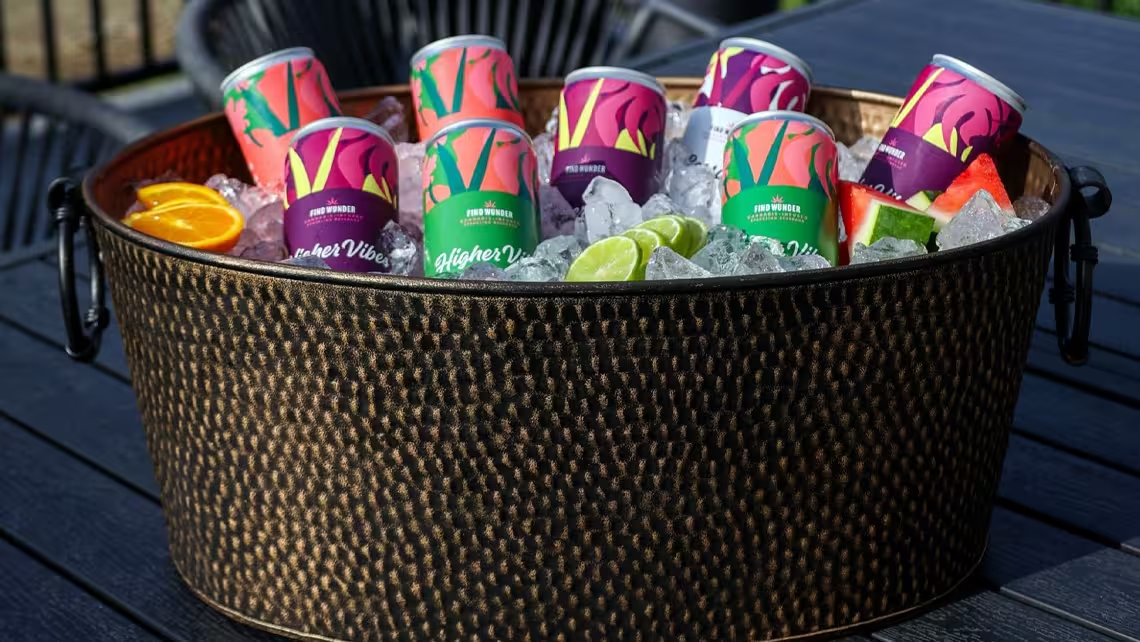
Keep the glass, but change the contents to THC-infused seltzers. They’re delicious, alcohol-free, and moderately dosed. They offer a liquor-like punch that will make you giddy yet still present and in control— the kind of euphoric lift that reduces anxiety, calms tension, and enhances your focus.
Marijuana Moment pulled data from a Crescent Canna survey showing that 77% of people who chose THC for drinks reduced their alcohol intake, and 21% of those folks stepped away from booze entirely. If you want that kind of momentum that carries well beyond January, Wunder THC beverages can be your sobriety solution. Instead of snapping back into old patterns, try these tasty beverages that support your well-being rather than damaging it.